Article
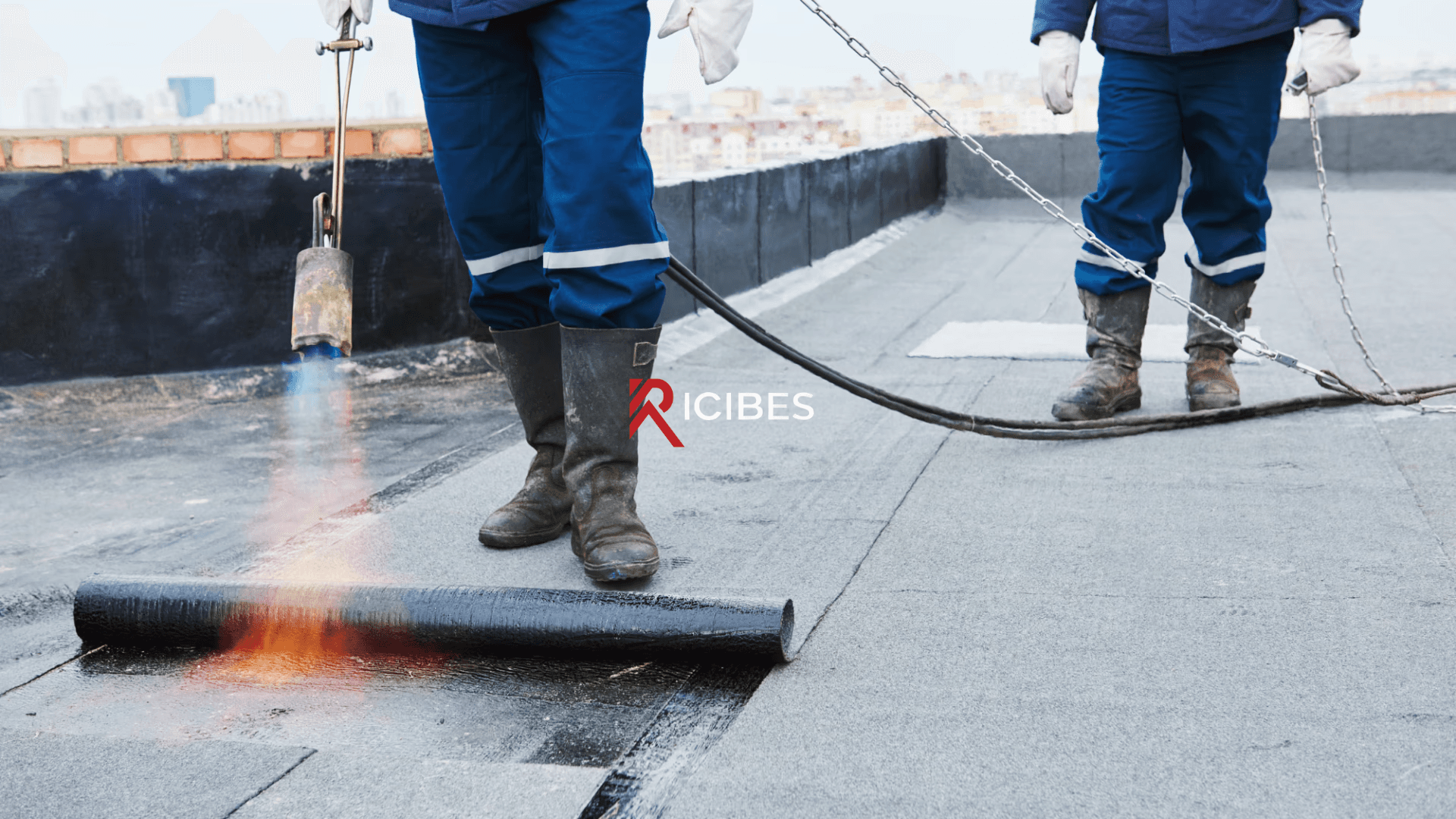
Most paving problems don't start as paving problems.
By the time a parking lot shows visible deterioration — potholes, crumbling edges, standing water — the real damage is already well underway beneath the surface, in the base layer, where repairs get expensive fast. What looks like a surface issue is usually the last sign of something that's been building for months, sometimes years.
This is the part that catches property managers off guard: you can have a structurally compromised parking lot that still looks relatively fine. And you can have a lot that looks rough but is actually in decent shape underneath. Surface appearance and structural condition don't always match — which is why a walk-through matters more than a drive-by.
Here's what's actually driving early pavement failure on commercial properties across the GTA, and what you can do to get ahead of it.
The Most Common Causes of Premature Pavement Failure
1. Water Infiltration Through Unsealed Cracks
Water is the primary enemy of commercial asphalt — and it doesn't need much of an opening to get in.
Once water enters through an unsealed crack, it doesn't just sit at the surface. It migrates down into the base layer beneath the asphalt. Once that base layer gets wet and weakened, surface repairs alone won't hold. The patch fails, the crack reopens, more water gets in, and the cycle accelerates.
This is what turns a $2,000 cutout repair into a $50,000 reconstruction project. It's not dramatic or sudden — it's gradual, predictable, and almost always preventable with timely crack sealing.
2. Freeze-Thaw Cycles
Ontario winters are uniquely punishing on asphalt. Water that infiltrates even a hairline crack freezes, expands, and forces that crack wider. When temperatures rise, the water thaws and the cycle repeats. By the time spring arrives, what was a hairline crack in October can be a pothole in April.
This is why spring inspections matter so much — not because the damage happens in spring, but because spring is when the winter's damage becomes visible and actionable. Catching it early, before the freeze-thaw cycle has a second winter to work with, is the difference between a maintenance item and a capital repair.
3. Poor Drainage and Standing Water
If water is sitting on your lot after a rainfall, the problem is rarely cosmetic.
Standing water is almost always a symptom of something deeper — improper grading that prevents runoff from reaching drains, settled or blocked catch basins that can no longer handle volume, a compromised sub-base that has shifted over time, or pavement heaving that's created low spots where water collects.
Left unresolved, drainage issues create a self-reinforcing cycle: water weakens the base, the surface settles, more low spots form, and more water collects. In winter, that standing water freezes, accelerating cracking and creating slip-and-fall risk across the lot. When drainage is the root cause, surface patching alone is temporary. Fix the drainage first.
4. Heavy Traffic in the Wrong Places
Not all areas of a parking lot take the same punishment. Loading dock approaches, dumpster pad areas, and entry/exit points near the street absorb significantly more stress than standard parking stalls — and they show wear first.
If your maintenance approach treats the entire lot the same way, you'll consistently underprepare the areas that need the most attention and overinvest in areas that are holding up fine. Targeted inspection of high-stress zones changes what you find and when you find it.
5. UV Exposure and Surface Oxidation
Asphalt contains a binder that holds aggregate together and gives the surface its flexibility. Over time, UV exposure breaks down that binder — the surface becomes brittle, loses its dark colour, and starts to ravel. Once oxidation sets in, the surface is more susceptible to cracking from both traffic and freeze-thaw.
Sealcoating is the primary defence against oxidation. On most commercial lots, it's warranted every two to four years depending on traffic volume and climate exposure. The catch: crack sealing should always come first. Sealing over open cracks traps moisture and accelerates the failure you're trying to prevent.
6. Deferred Maintenance
The most expensive cause of pavement failure isn't any single defect. It's the decision to wait.
A crack is a maintenance item. A pothole is a repair. A failed base is a capital expense. Each stage is more expensive than the one before it — and every stage was preventable. Every dollar spent on preventive pavement maintenance can save six to ten dollars in future repair costs.
The three most common reasons property managers delay — and what's actually happening while they wait:
"It doesn't look that bad yet." Surface appearance lags behind structural condition. By the time it looks bad, the base may already be failing.
"We'll budget for it next year." Deterioration doesn't wait for budget cycles. A $4,000 catch basin repair this year can prevent a $40,000 overlay next year.
"We just patched it last year." Patching without proper bonding leaves cracks open. Water gets back in, and the cycle restarts.
The Pattern Behind All of It
Commercial asphalt has a predictable lifespan — but that lifespan gets cut short when the underlying causes of deterioration go unaddressed. The lots that hold up longest aren't necessarily paved with better materials. They're managed by property managers who inspect consistently, address drainage before it compounds, and treat crack sealing as a routine line item rather than a sign of failure.
A quick walk-through each season — less than 30 minutes — can catch most issues before they escalate. The property managers who avoid major capital expenses aren't doing anything extraordinary. They're just not waiting.
What to Do Next
Not sure what your lot actually needs right now?
Download the free guide: The Property Manager's Guide to Extending the Life of Your Parking Lot. It covers seasonal inspection checklists, how to identify drainage issues before they compound, when repair makes sense versus resurfacing or reconstruction, and best practices that keep small issues from becoming capital expenses.
Or book a commercial paving assessment directly with RICI CON — asphalt paving and milling, civil site servicing, drainage, and grading across Ontario.
Book a paving assessment → · 1.647.680.5109 · service@ricigroup.com