Article
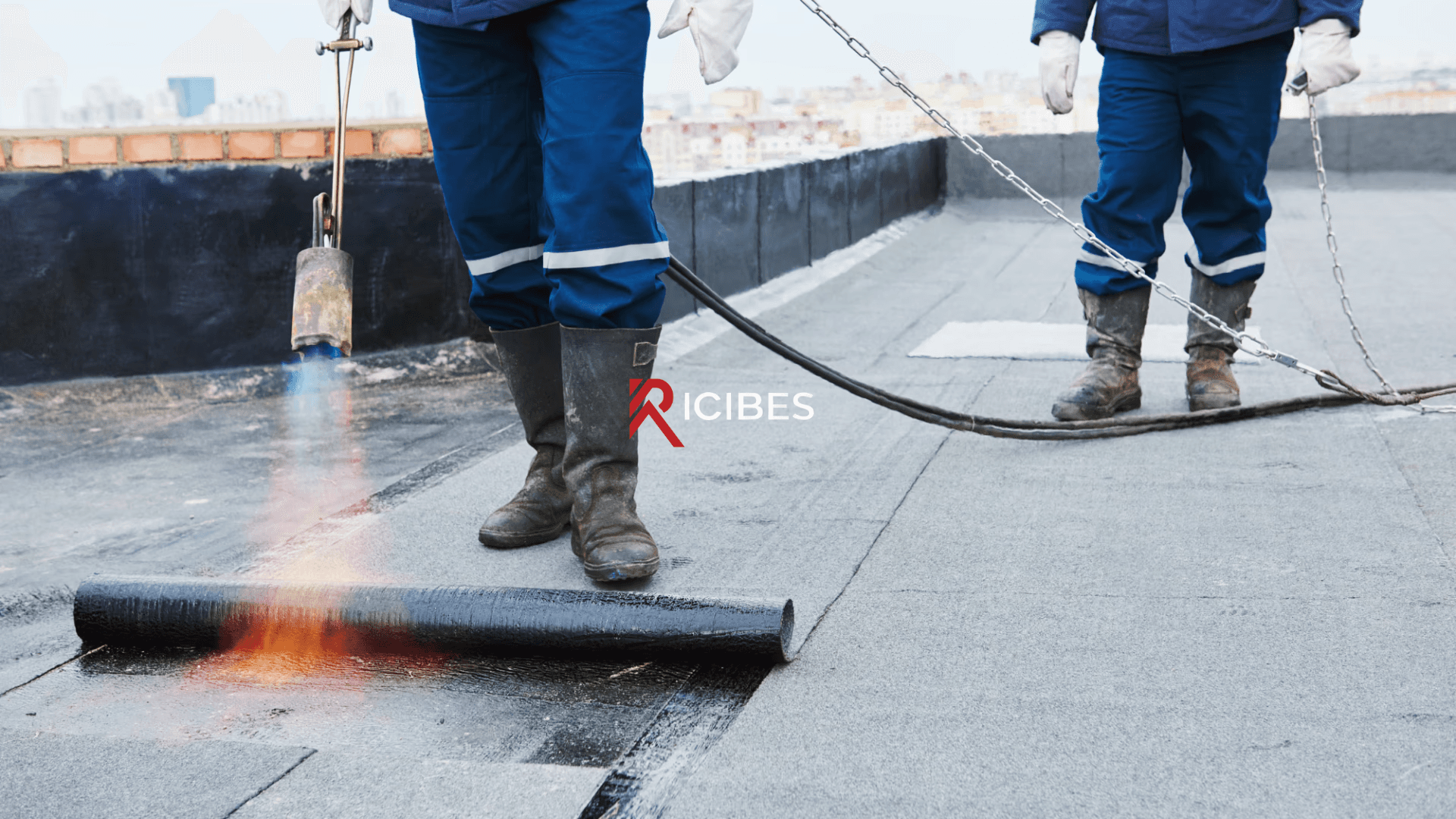
It's one of the most common conversations in commercial property management — and one of the most mishandled.
A roof shows signs of wear. Maybe there's been a leak or two. A contractor comes out and recommends a full replacement. Another says a coating will do the job. A third says just patch it and monitor. Three different answers, three different price points, and a property manager left trying to figure out who to believe.
The truth is that the right answer isn't always the most expensive one — but it's also not always the cheapest. It depends entirely on what's actually happening with the roof system beneath the surface, not just what's visible from a walk-up inspection.
Here's a practical framework for thinking through the decision.
First: Understand What Stage Your Roof Is Actually In
Commercial roof deterioration follows a fairly predictable progression. Most roofs don't fail suddenly — they decline through stages, and each stage has a corresponding intervention that makes financial sense.
The mistake most property managers make isn't choosing the wrong option. It's making the decision based on surface appearance rather than system condition. A roof that looks rough can be structurally sound. A roof that looks okay can have saturated insulation underneath that makes any surface-level intervention a waste of money.
Before committing to any path, you need to know the actual condition of three things: the membrane, the insulation, and the drainage system.
The Three Options — and When Each One Makes Sense
Repair: When the Problem Is Localized
Repair is the right call when the issue is isolated — a single leak traced to a specific penetration, a section of membrane that's lifted or cracked, flashing that's failed around an HVAC unit.
Localized repairs work when the surrounding system is in good condition. If the insulation is dry, the membrane is largely intact, and drainage is functioning, a targeted repair can extend the life of the roof significantly at a fraction of the cost of restoration or replacement.
What repair can't fix: a systemic problem. If you've been patching the same area repeatedly and the issue keeps coming back, that's not a repair problem — it's a diagnostic problem. Repeated leaks in the same location almost always point to an underlying system issue that a patch won't solve.
Restoration: The Option Most Owners Don't Consider
Roof restoration — typically a fluid-applied coating over the existing membrane — is the most underutilized option in commercial roofing. It's also the one with the best return on investment when the conditions are right.
Restoration makes sense when there's widespread surface wear but the underlying structure is still intact. If the membrane is oxidized and cracking but the insulation is dry and the deck is solid, a restoration coating can extend the roof's life by 10 to 15 years at roughly 50 to 70 percent of the cost of a full replacement.
The critical condition: insulation must be dry. If there's moisture in the insulation layer, applying a coating over it traps that moisture, accelerates deterioration, and turns a restoration into a failed investment. Always have insulation condition confirmed — ideally through infrared scanning or core samples — before committing to a restoration.
Right now, with construction costs in Ontario significantly elevated, restoration is getting a second look from a lot of commercial owners who would have defaulted to replacement in previous years. In many cases it's the financially smarter decision over a 5 to 10 year horizon.
Replacement: When It's Actually the Right Call
Full replacement becomes the correct answer when the roof system has deteriorated beyond what repair or restoration can address — saturated insulation, recurring structural ponding, ongoing active leaks that can't be traced to a single source, or a membrane that has reached the end of its serviceable life.
The important thing to understand about replacement is that it's not always the most expensive outcome — it's sometimes the most cost-effective long-term path. A restoration applied over saturated insulation will fail prematurely. Continued patching on a roof that needs replacement turns into compounding spend that eventually exceeds replacement cost anyway.
The goal isn't to avoid replacement. The goal is to make sure replacement is actually necessary before committing to it — and to make the decision on a planned timeline rather than an emergency one, which alone can reduce total cost significantly.
The Decision Framework
Situation | What It Usually Means |
|---|---|
One isolated leak, dry insulation | Localized repair |
Repeated leaks in the same area | Diagnostic assessment before any repair — underlying system issue |
Widespread surface wear, insulation dry, structure sound | Restoration likely viable — significantly less expensive than replacement |
Saturated insulation, ongoing ponding, structural concern | Replacement is the most cost-effective long-term path |
The Most Important Step Before Any Decision
Get an honest assessment of insulation condition before committing to anything beyond a localized repair.
This is where a lot of property managers get burned. A contractor who only does coatings will recommend restoration. A contractor who sells replacements will recommend replacement. What you need is a contractor who will tell you the truth about what the insulation looks like — and back it up with data, not just a visual inspection.
Infrared scanning, core samples, and moisture mapping are the diagnostic tools that take the guesswork out of this decision. They're not expensive relative to the cost of making the wrong call.
What to Do Next
Facing this decision on one of your properties right now?
Download the free guide: The Property Manager's Guide to Extending the Life of Your Commercial Roof. It covers what to inspect seasonally, how drainage affects every repair decision, and the best practices that keep small issues from escalating into capital expenses.
Or book a roof assessment with RICI BES and get a straight answer on what your property actually needs — flat roofing, coatings, restoration, and replacement across Ontario.
Book a roof assessment → · 1.647.680.5109 · service@ricigroup.com